
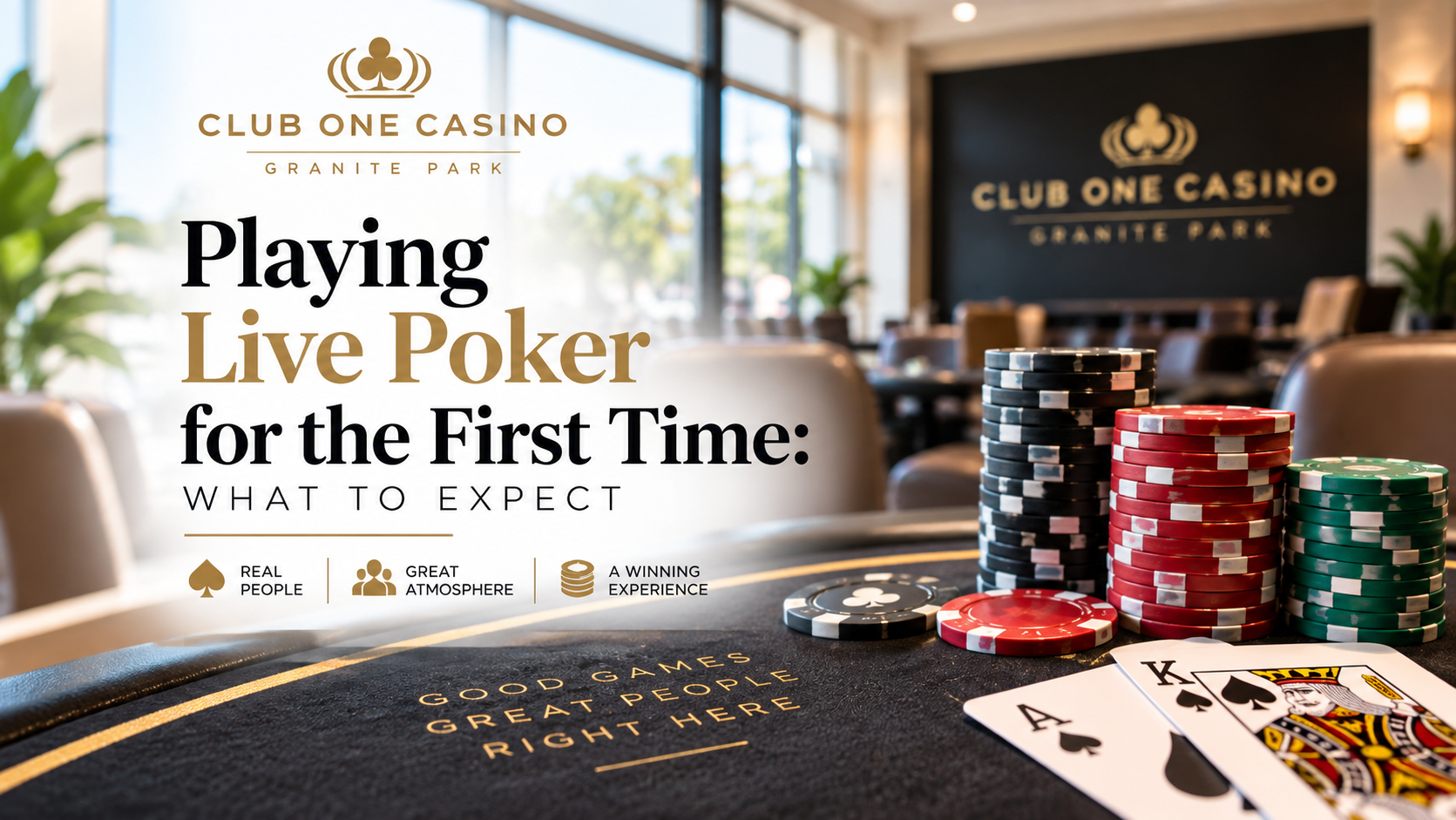

Playing poker online or around the kitchen table is one thing. Sitting down at a live poker table in a casino for the first time can feel completely different.
There are chips being shuffled, cards moving quickly around the table, dealers announcing the action, and experienced players who seem to know exactly what to do without saying a word.
The good news? Playing live poker for the first time doesn’t have to be intimidating. You don’t need to be a poker expert to walk into a poker room and enjoy a game.
If you’ve been thinking about trying live poker, here’s what to expect before you take your first seat at the table.
What Is Live Poker?
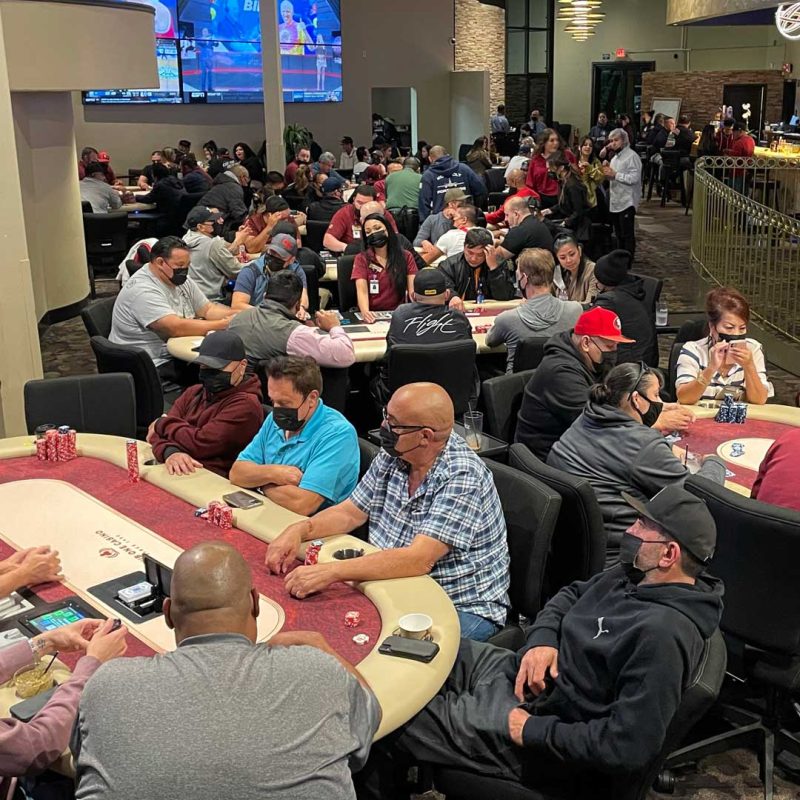
Live poker is played face-to-face at a physical poker table with a professional dealer and other players.
Unlike many casino games where you’re playing against the house, traditional poker games generally involve players competing against one another while the dealer manages the cards, chips, betting action, and game procedures.
One of the biggest differences you’ll notice when moving from online poker to live poker is the pace.
Live games generally give you more time to observe the table, watch the action, and think about your decisions.
What Happens When You Arrive at a Poker Room?
If you’re playing live poker for the first time, don’t worry about knowing exactly where to go or what to say.
Start by checking in with the poker room staff.
Tell them you’re interested in playing and which game you’d like to join. If you’re unsure which game is appropriate, let them know you’re a new player and ask what games are currently available.
Depending on availability, you may be able to take an open seat immediately or have your name added to a waiting list.
Once a seat becomes available, you’ll be directed to your table.
Buying Chips for Your First Poker Game
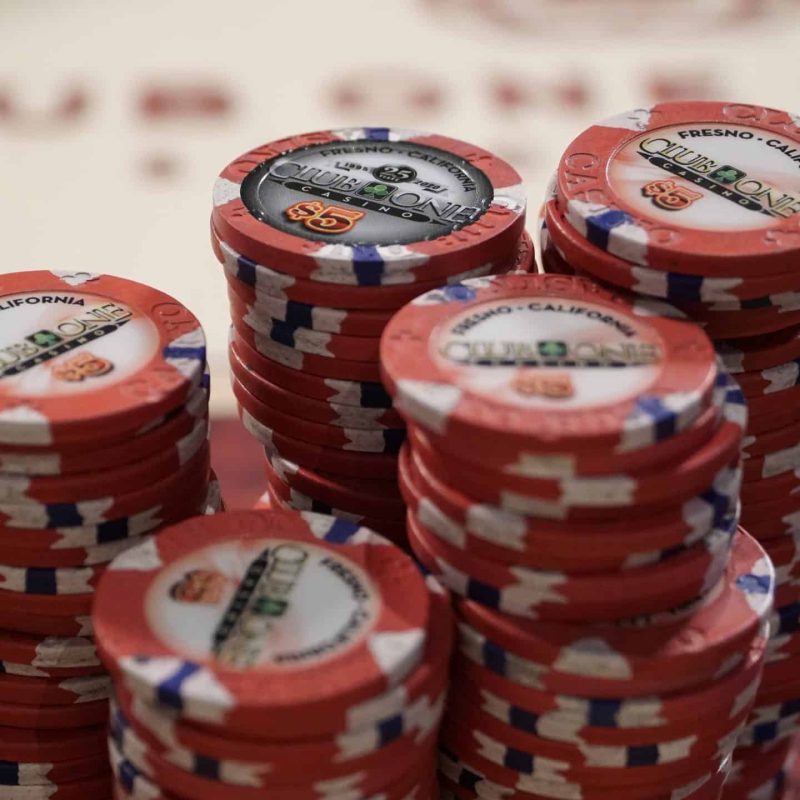
You’ll need poker chips before or when you join the game.
The amount you can bring to the table may depend on the particular game and its minimum and maximum buy-in requirements.
If you’re unsure, simply ask the poker room staff or dealer.
There’s nothing unusual about asking questions when you’re new.
Before sitting down, it’s also a good idea to decide how much money you’re comfortable spending on entertainment that day. Poker should be treated as entertainment, and you should never play with money you can’t afford to lose.
Understanding the Dealer's Role
The dealer keeps the game moving.
The dealer distributes cards, manages the pot, announces action when necessary, collects bets, and helps ensure the game follows the poker room’s rules.
Pay attention to the dealer, especially during your first few hands.
If you’re confused about a procedure, you can ask for clarification. Just avoid asking the dealer for strategic advice about how you should play your hand.
Know When It's Your Turn
One of the most important pieces of live poker etiquette is acting only when it’s your turn.
Poker action moves around the table in order. Acting before another player can affect their decision and disrupt the hand.
If you’re unsure whether the action has reached you, wait a moment or ask the dealer.
It’s better to take an extra second than accidentally act out of turn.
Clearly Announce Your Action
Communication is important at a live poker table.
Depending on the situation, your options may include checking, betting, calling, raising, or folding.
When you’re new, verbally announcing your intended action can help eliminate confusion.
For example:
“Call.”
“Raise.”
“Fold.”
Once you’ve announced an action, it may be binding under the poker room’s rules, so make sure you know what you want to do before announcing it.
Be Careful With Your Chips
Live poker has procedures surrounding how chips are placed into the pot.
Instead of trying to imitate experienced players, take your time.
If you want to raise, clearly announce “raise” before moving chips forward and state the amount when necessary.
The dealer can help make sure your action is handled correctly.
As you gain experience, these procedures quickly become second nature.
Protect Your Cards
Your cards are your responsibility while you’re in a hand.
Keep them in front of you and within the designated playing area.
Many live players place a chip or small card protector on top of their cards so they’re clearly identifiable as an active hand.
Most importantly, don’t accidentally push your cards toward the dealer unless you’re folding.
Don't Reveal Your Hand While Action Is Still Going
Avoid showing or discussing your cards while other players are still involved in the hand.
Even if you’ve already folded, revealing what you had could provide information that influences the remaining players.
Wait until the hand is completely finished before discussing it.
This is one of those poker etiquette rules that experienced players appreciate.
Don't Worry About Making Beginner Mistakes
Nearly everyone at the table had a first live poker session.
You might forget where the betting action is. You might need the dealer to repeat the amount of a bet. You might have questions about a rule.
That’s okay.
Pay attention to the dealer, follow the action, and don’t be afraid to ask procedural questions.
Most of the mechanics of live poker become much easier after you’ve played a few rounds.
Live Poker Etiquette: The Basics
You don’t need to memorize an enormous list of rules before playing. A few basic habits will go a long way:
Wait for your turn before acting.
Keep your cards and chips visible.
Clearly announce bets and raises when needed.
Don’t discuss an active hand.
Treat the dealer and other players respectfully.
Avoid unnecessarily slowing down the game.
Keep track of the action.
Follow the poker room’s house rules.
When you’re uncertain, ask the dealer.
How Long Should You Play?
There’s no required amount of time to stay at a live poker table.
You can generally leave when you’re ready, subject to the poker room’s procedures.
For your first session, you may want to keep things relatively simple. Give yourself enough time to become comfortable with the pace and procedures without feeling obligated to play for hours.
It’s also smart to establish your entertainment budget before you begin.
If you’ve reached the amount you planned to spend, that’s a good signal that it’s time to call it a day.
What's Different About Live Poker?
The social aspect is one of the biggest differences.
You’re sitting across from real people rather than usernames on a screen.
You’ll hear conversations, watch players make decisions, see chips physically move into the pot, and experience the atmosphere of a real poker room.
For many players, that’s exactly what makes live poker enjoyable.
And once you’ve played a few hands, the environment that initially seemed intimidating usually starts feeling much more familiar.
What's Different About Live Poker?
If you’ve been thinking about playing live poker for the first time, Club One Casino offers an opportunity to experience live poker right here in Fresno.
Located at 3950 N Cedar Ave in Fresno, California, Club One Casino offers live gaming and poker in the heart of the Central Valley.
Whether you’re an experienced player or walking into a poker room for the first time, check the current games and poker offerings before your visit and come experience live poker at Club One.
Visit Club One Casino
Club One Casino – Granite Park
3950 N Cedar Ave
Fresno, CA 93726
559-497-3000
21+ | Please gamble responsibly.
Gambling problem? Call 1-800-GAMBLER or visit problemgambling.ca.gov.
Get directions to Club One Casino on Google Maps
Click here for directions.
Have Questions? Call us at 559-497-3000.